No. 1: Coming to Terms with Clownery
Writer’s Note: I’ve been working on this essay for so long that it doesn’t even seem right to edit it again, rather to finally post it as I should have done after a million edits in 2025, or even 2024 when I wrote the first draft. I was so obsessed with getting it perfect that I never published it at all, and now I’m so far removed from writing it that to change it now feels like editing an artifact. When I began writing this piece, I was in my late twenties; still so self important and underestimating the fact that understanding oneself is a life long journey, not something you can wrap up in one blog post at age 28-29. As of the time of writing this paragraph, I’m thirty years old, and though my job title is no longer “entertainer,” in a wild turn of events, I work with children, so I’m still telling stories and cheap jokes and learning about life through helping other, smaller people have fun. I do look back at my twenties and think “wow. Clownery.” And it was a period of time that I did a tremendous amount of learning and growing. I’ve gained some stability in my life and even more grace, but I’m still a little bit of a fool, and I owe it all to my decade of clown school. So while this post and I have both aged since its initial inception, it still stands.
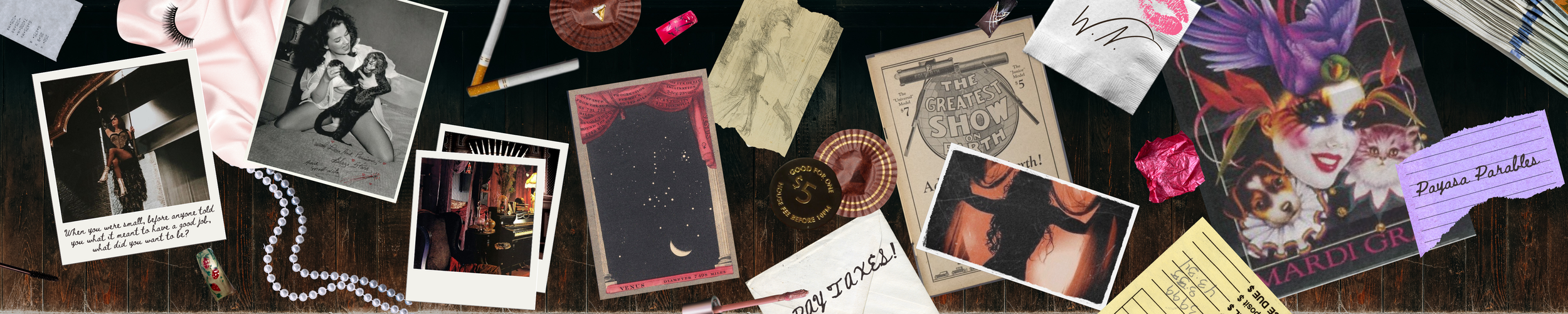
Now, after years of editing and being too scared to publish, Payasa Parables.
When you were small, before anyone told you what it meant to have a good job, what did you want to do? Did you grow up into the big person you wanted to be? Are you the first ballerina president in space? Do you eat ice cream for dinner and stay up all night watching scary movies? Or, did you, at some point, adjust your expectations and become an adult?
Lucky enough to have been born with a vividly overactive imagination, I spent a large portion of my childhood either playing pretend or outright making shit up. I was a daydreamer with an intricately constructed fantasy land, too obsessed with intrigue and scandal to play house or restaurant like everyone else. When we played cowboys, I was a saloon girl. I sat at the typewriter and produced a local newspaper for a fictitious town, complete with multiple columns and a letter to the editor claiming that his affair with my wife had gone on long enough. My puppet shows were murder mystery dinners. I read too many books and watched too many period pieces that left me with the murky understanding that there were women who somehow made a living by being fashionable and eating well and having lots of free time to go on dates. I learned the word flaneur and violently rebelled against the notion that one day I would have to do some kind of real work. I wanted to be a sideshow freak, a mermaid, a poet, a vampire, the Queen of Everything. What does a little girl like that grow up to be?
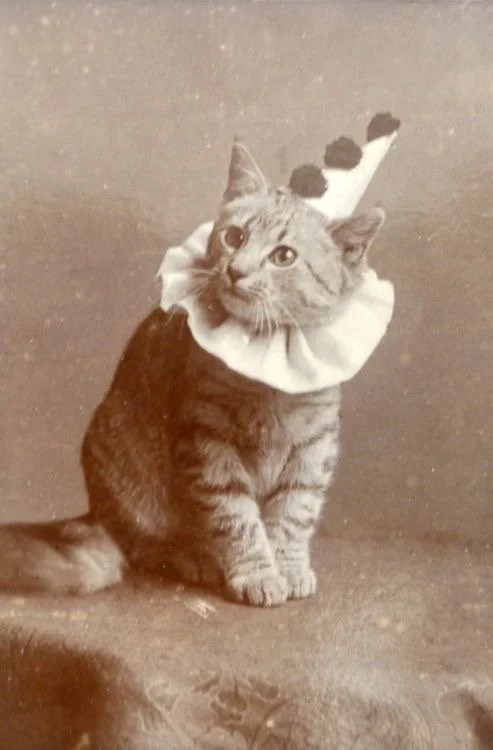
I spent the better part of my twenties calling myself an entertainer, though it's clear to me, now pushing thirty, that the more accurate descriptor would have been “clown.” If not a clown, a jester, and on my most glamorous days a harlequin, though the words, like entertainer, dancer, and stripper, are interchangeable to me. People take clown just as negatively as they take stripper, like you're somehow degrading or undermining yourself by identifying that way; you must see yourself as a joke, you don't take yourself seriously. I disagree, however, that either term is inherently self deprecating. The obvious comparisons are there: stage makeup, big shoes, fake name, get onstage and roll around on the ground to elicit an emotional response from the audience. Beneath that, though, the thread that links being a clown with being a stripper, or a comedian or any other type of entertainer, is being in the business of knowing people. Truly, intimately, knowing and understanding people; what makes them laugh or rage or cry, what they're talking and thinking about, what captures their attention, what makes them feel. Artists and entertainers of all varieties have been told since the beginning of time, know your audience. That need to know your audience turns something as silly as telling a joke or shaking a leg into the very serious lifelong endeavor of learning people.
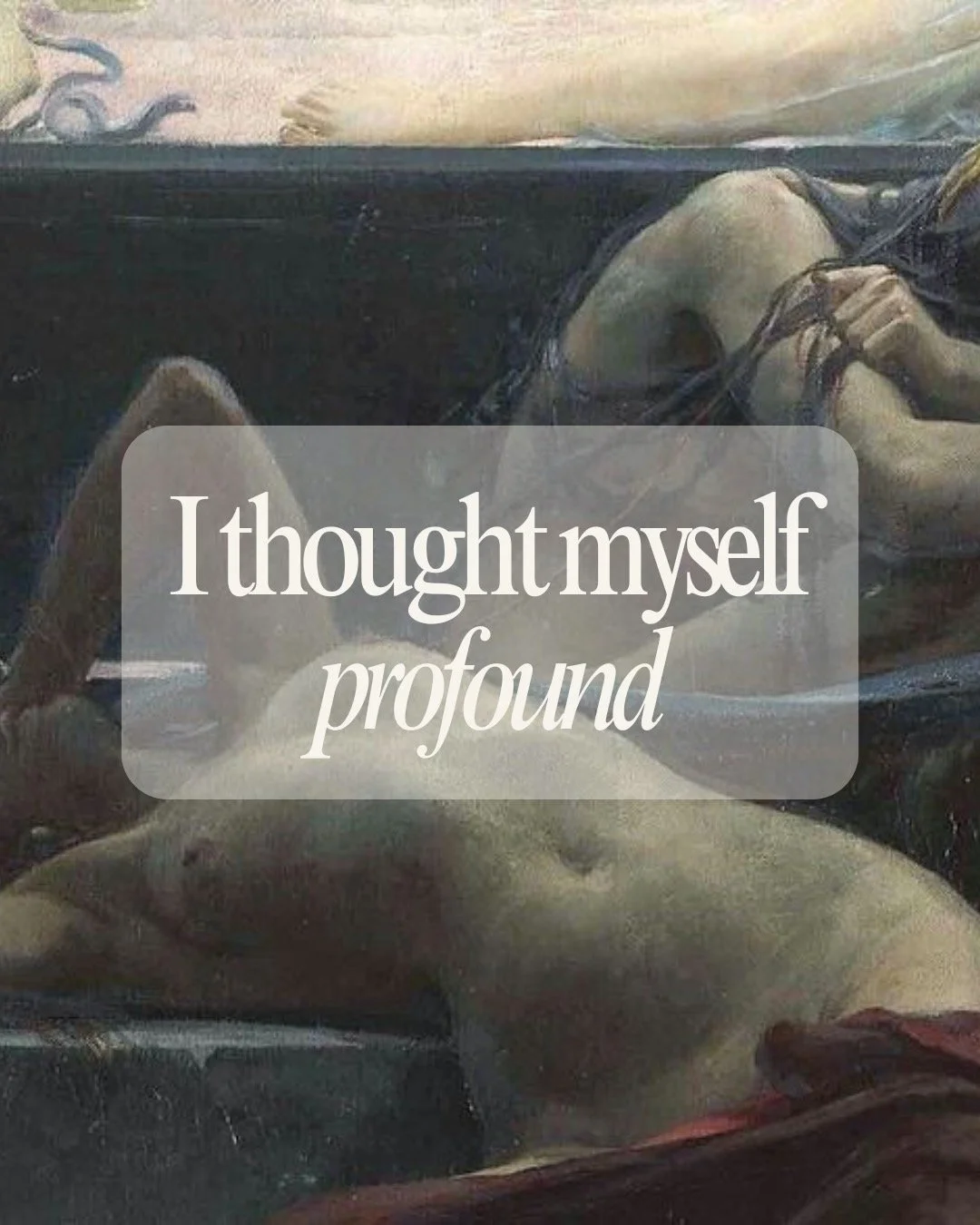
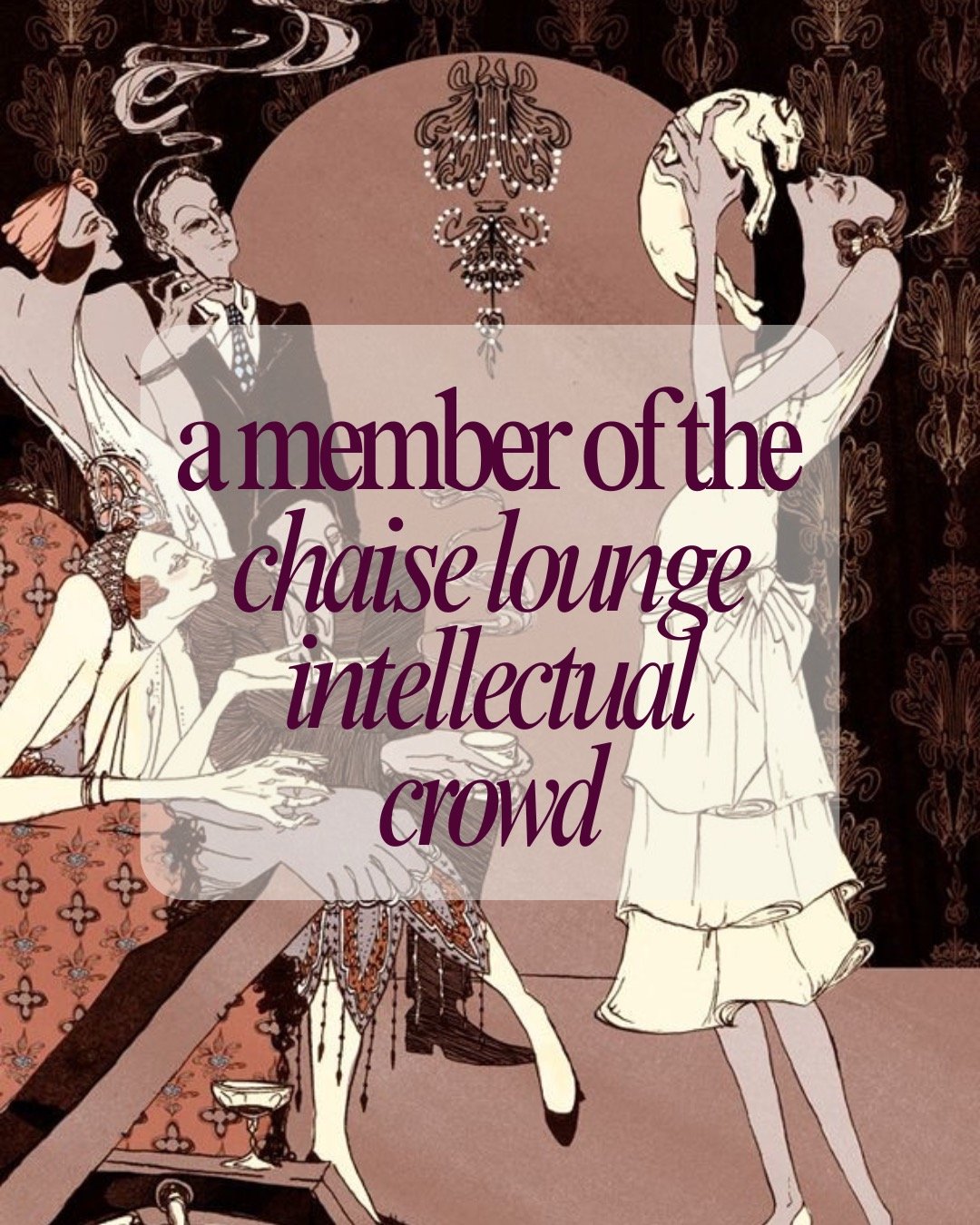
Stripping, comedy, clowning– all art forms with origins that date back to the annals of time; thus, I, like many others in the course of history, spent a good bit of time playing the tortured, romantic, misunderstood genius role. I was in the ranks of Holly Golightly, feeling the dreamy poetic melancholy of Ella Fitzgerald's Love for Sale, a 21st century harlequin with no contractual obligation other than to have a good time. I thought myself profound, a member of the chaise lounge intellectual crowd, elegant and philosophical like I had figured something out about life, when in actuality I was just a pothead with too big eyelashes and nothing better to do than gossip. I lacked the discipline to invest the money or leverage the connections or even go to work regularly and convinced myself that being a half-assed stripper was the same as being a starving artist. I told myself that a flexible schedule and disposable income that afforded me the privilege of “being a woman of leisure” were fair trade offs in an industry with no health insurance or paid time off or real job security. I bought the dream I sold myself that my participation in “the industry” was in connection to some sort of divine feminine energy, even though 9 times out of 10 I just served as cheap entertainment for a crowd that barely saw me as a human person. Taking myself a little too seriously did not negate the absurdity of my lifestyle, just like the frivolity of my job didn’t make it any less “work.” The art I made was never inauthentic and the process was never short of laborious. Jesters may have been telling dick and fart jokes, but they still could have lost their livelihoods or their heads if those jokes didn't land. Getting shot out of a cannon over and over again eventually takes some kind of toll on your body; trying to find a million coy and clever ways to take your top off takes a toll on your brain. Even if it feels like I spent the last decade in clown school, I still spent the whole time learning.
In 2023, I quit dancing full time, and it sent me into a period of reflection and transition. I came to terms with the fact that while I could call myself a siren or an enchantress and consider myself a harlequin, it’s just as true that what I really am is a clown. I’m also a storyteller, a comedian, an observer of people, a social commentator, and a pretty decent stripper, but at the end of the day, I grew up to be a clown. And that long winded and self important journey brings us here, to Payasa Parables, payasa meaning clown and parable meaning a little story from which you learn something, hopefully. This is a space for the opinions, thoughts, critiques, and musings that pass through my mind, as well as the things I’ve learned about life and myself throughout my years of clownery. If that appeals to you, well then Ladies and Gentlemen, step right up.
